Stop doing it
alone.
Expand your investing circle of competence.
The investors who consistently outperform aren’t smarter, luckier, or better connected. They think with a framework, not a feeling. This booklet shows you the difference, and what you can do about it.

Get your Blueprint now
Enter your details below and we’ll send it to you immediately, no sales call, no obligation.
Most investors spend less than six minutes researching a company before buying it.
Four and a half of those minutes are spent looking at price charts.
You probably aren’t one of those investors. You read widely, you research carefully, and you’ve been managing your own portfolio for years. And yet something still doesn’t sit right.
The problem isn’t effort. You’re putting in plenty of that. The problem is that self-directed investing, done in isolation is harder than it needs to be.
– Howard Coleman, co-founder, Teaminvest
What’s inside the Blueprint
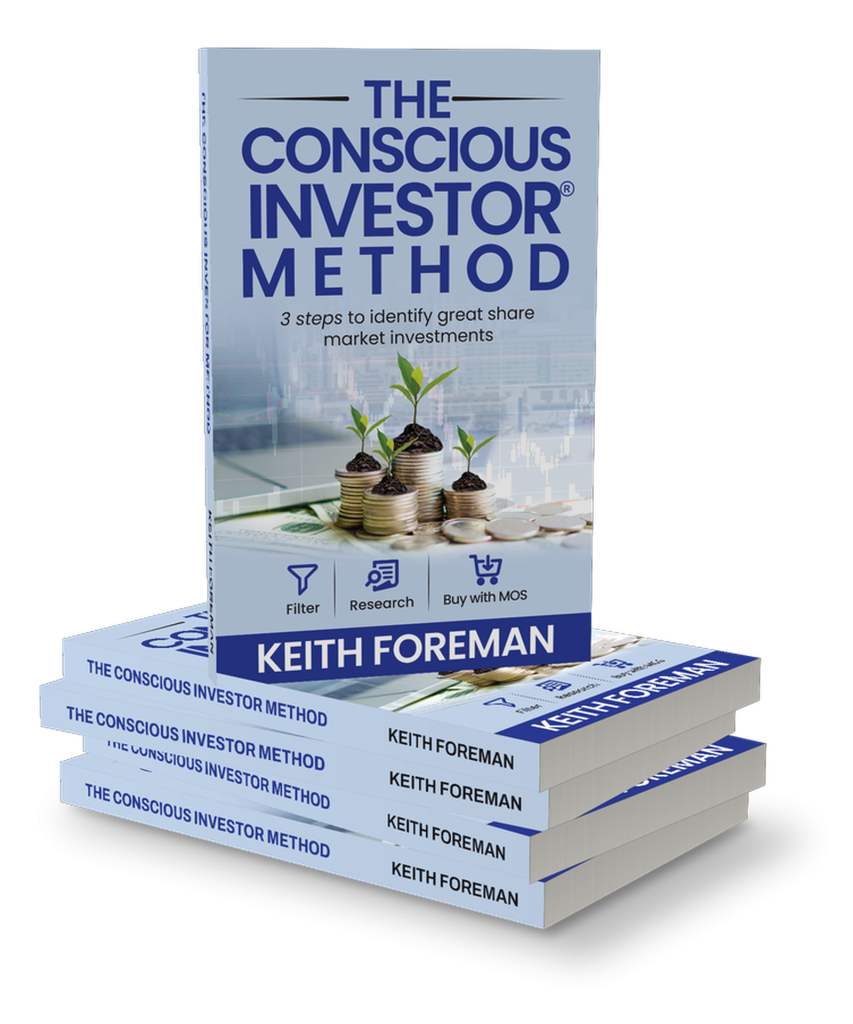
Five investment letters written by Howard Coleman and Dr John Price, two investors who between them have spent decades building businesses, studying markets, and helping hundreds of Australian and New Zealand investors find and hold the best companies on the ASX.
The principles Warren Buffett laid out in 1998 that are just as true today, and that shaped how Teaminvest thinks about every single company it analyses.
Two investors look at the same falling stock and reach opposite conclusions. The difference isn’t better data, it’s framework. Here are the three principles that separate disciplined investors from reactive ones.
The most personal question in investing. The answer depends on how deeply you understand your companies, and how well you’d sleep if one of them did something unexpected.
Why Teaminvest deliberately avoids cyclical businesses, and why developing a true instinct for compounding changes every investment decision you’ll ever make.
All the signs of a market bubble are visible: new technology meeting easy credit, FOMO reaching fever pitch, crowds convinced “this time is different.” Howard outlines rational strategies for three scenarios, slow deflation, quick pop, or continued rise, and why volatility is the friend of the knowledgeable investor.
This booklet is for investors who already do the work.
You’ve built something. A business, a career, a portfolio. You understand risk. You’ve been managing your own investments for years.
What you’re missing isn’t skill. It’s structure, tools, and the kind of peer perspective that only comes from investing alongside people doing it at the same level.
- You manage your own share portfolio and take it seriously
- You’re frustrated by inconsistent returns despite consistent effort
- You want a rigorous framework, not more stock tips
- You second-guess big decisions without a second opinion
- You’d invest more confidently with the right community around you
- You think long-term – five, ten, fifteen years, not month to month
- You’re curious whether there’s a better way to do what you’re already doing
Where serious investors think together.
Teaminvest is a membership-based investment community for self-directed investors across Australia and New Zealand. Members invest with the support of three things most self-directed investors don’t have.
The Teaminvest methodology identifies potential Wealth Winners®, companies with the earnings growth, competitive moats, and management quality to compound returns over the long term, and helps members steer clear of Capital Killers™.
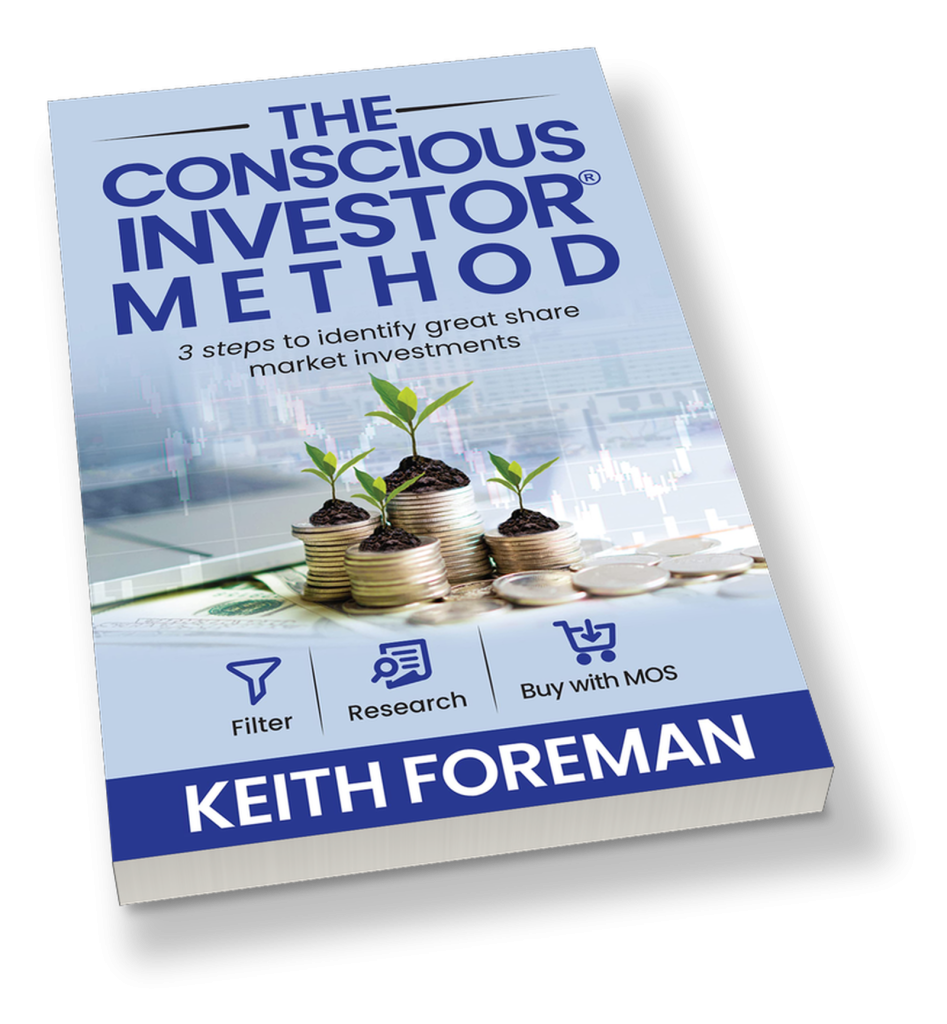
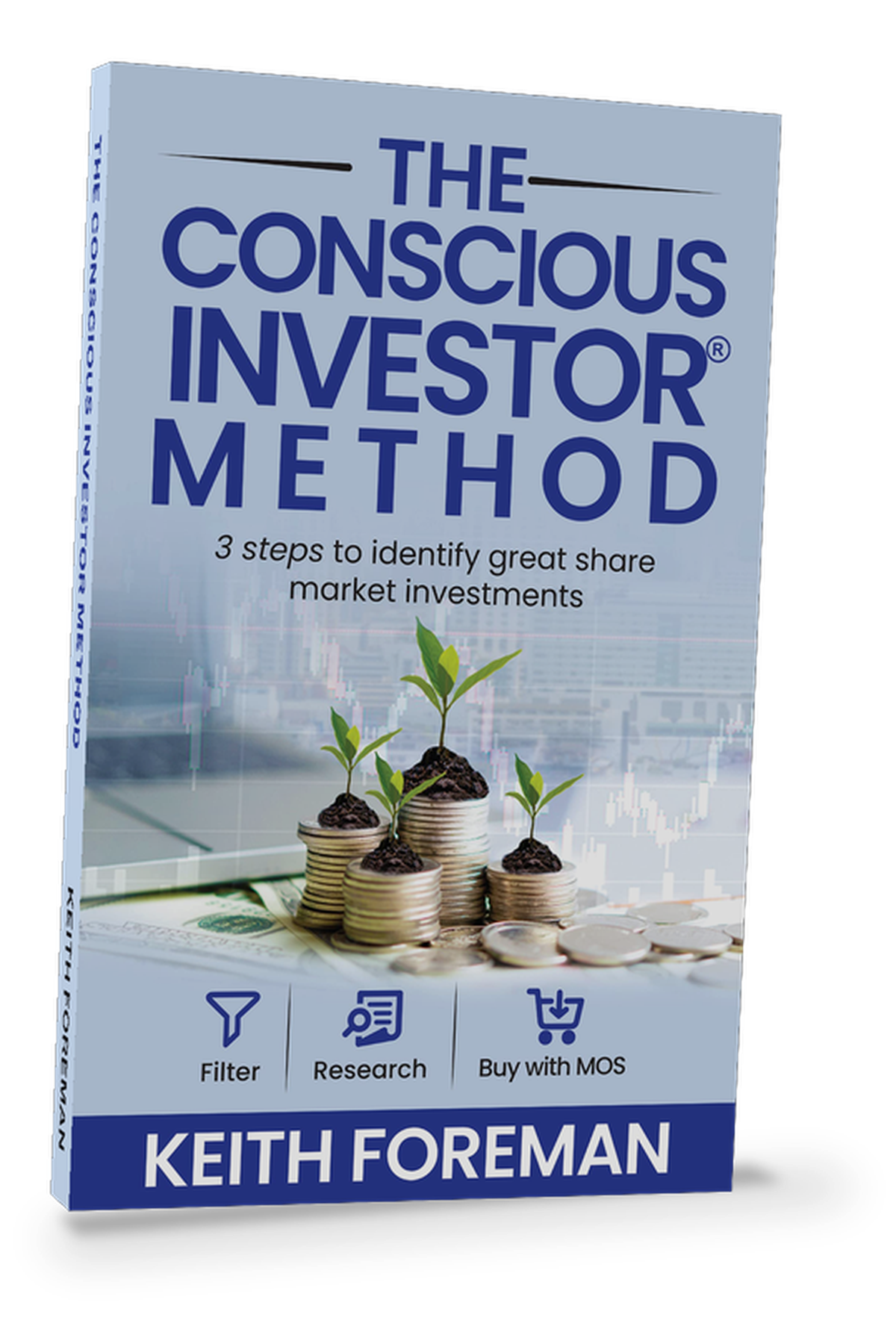
The Conscious Investor® software platform gives members analytical capability most individual investors don’t have; including STRETD®, an estimate of actual total return under a margin of safety.
Monthly MasterClasses, SMaRT Sessions, and bi-annual conferences. When you’re stress-testing a thesis or staying rational during a downturn, it helps to be in the room with people doing the same thing.
From investors who were once in your position.
I’d been investing on my own for fifteen years. I thought I was doing well. Joining Teaminvest showed me exactly what I was missing, and I didn’t know how much I didn’t know.
The framework changed everything. I used to make decisions based on gut feel and the business press. Now every decision goes through a process. My portfolio reflects that.
Staying rational when markets fall is the hardest thing in investing. Being in a room with experienced investors who aren’t panicking makes that significantly easier.
Download the Blueprint free.
Most investors will never read this. If you’ve made it this far, you’re already thinking differently from the crowd. The next step takes thirty seconds.